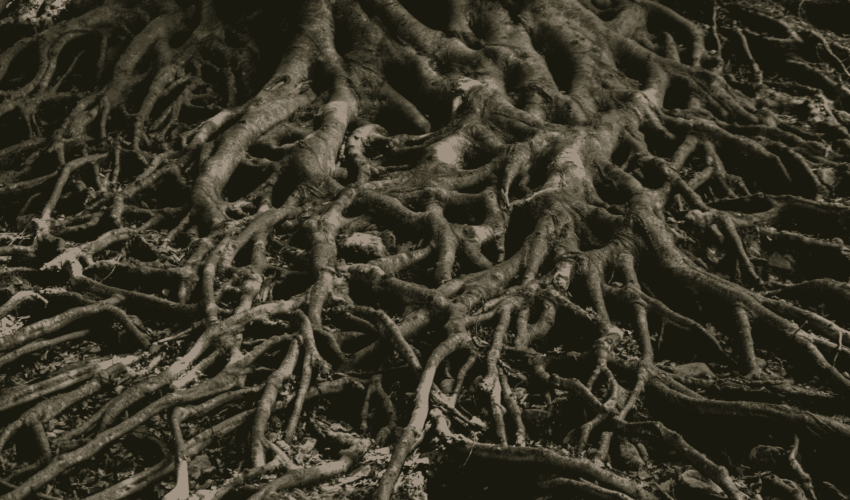
When homeowners think about sewer line problems, trees usually aren’t the first thing that comes to mind. But underground, tree roots are one of the most common and destructive causes of sewer line damage.
At North East Air Conditioning, Heating & Plumbing, we see this issue frequently in both residential and commercial properties. Understanding how roots get into sewer lines, what damage they cause, and how to prevent it can save you thousands in repairs and a whole lot of mess.
How Do Roots Get Into Sewer Lines?
Tree roots naturally grow toward moisture and nutrients, which means sewer lines are an attractive target. Even tiny amounts of condensation or moisture around a pipe joint can draw roots in.
However, there’s an important distinction: properly installed sewer pipes should not allow root intrusion. Modern piping, when correctly joined and supported, is designed to keep roots out. So why does it still happen?
Older pipes made from clay or cast iron can deteriorate over time. Significant soil movement or settling can also cause pipes to shift or crack. Physical pressure from growing roots can move pipes around just enough to create openings. And improper installation, especially with misaligned joints, can lead to premature failure when roots find a way in.
The Problems Roots Cause in Sewer Lines
What starts as a small root hair can turn into a major plumbing disaster.
Roots inside sewer lines catch debris, leading to slow drains and frequent clogs. They also restrict flow, causing sewage backups into your home or business. As roots thicken and expand, they can cause pipes to crack or collapse. In many cases, roots are a symptom of a larger problem—like pipe damage or misalignment—that needs to be addressed, not just cleaned out.
Trees to Watch Out For
While any tree planted too close to sewer lines can eventually cause problems, these species are particularly known for invasive root systems and should be planted far away from sewer lines. They grow quickly, seek out water aggressively, and can cause problems even before they’re full-grown.
- Willow
- Poplar
- Elm
- Sycamore
- Birch
How to Prevent Root Damage in Sewer Lines
Like most plumbing issues, prevention is far easier (and cheaper) than repair. Tree placement is critical. As trees grow, their root systems expand outward and downward. Over time, they can shift sewer pipes, causing breaks or joint separations that allow roots to enter.
Trees can also make future repairs more complicated and expensive. If sewer lines need to be repaired or replaced, trees and dense landscaping over the pipe path can significantly increase labor costs. Carefully digging around the roots takes more time. In many cases, trees or large shrubs don’t survive the process anyway. Planning ahead can save your plumbing and your landscaping.
Plant trees and shrubs far away from your sewer lines. If you don’t know where your line runs, a professional can help you locate it. When you do plant trees, use root barriers to redirect root growth away from your plumbing lines.
Early Detection Makes All the Difference
If you’re experiencing frequent clogs, slow drains throughout your home, or sewage odors, roots may already be involved. The sooner the issue is identified, the more options you have and the less invasive the repair may be. Call North East Air Conditioning, Heating & Plumbing today to schedule a video drain inspection if you suspect roots may have infiltrated your pipes or to talk through preventative options. When it comes to what’s happening underground, experience matters, and we’ve got plenty of it.