When your air conditioner stops cooling, ‘compressor’ is probably the last word you want to hear from your technician. While it often signals a serious problem, understanding what the compressor does, why it’s so expensive, and how to spot and prevent issues can help you make informed decisions and protect your investment.
What Is the Compressor?
You’ll often hear the compressor called the “heart” of your air conditioning system, and that’s a pretty accurate description.
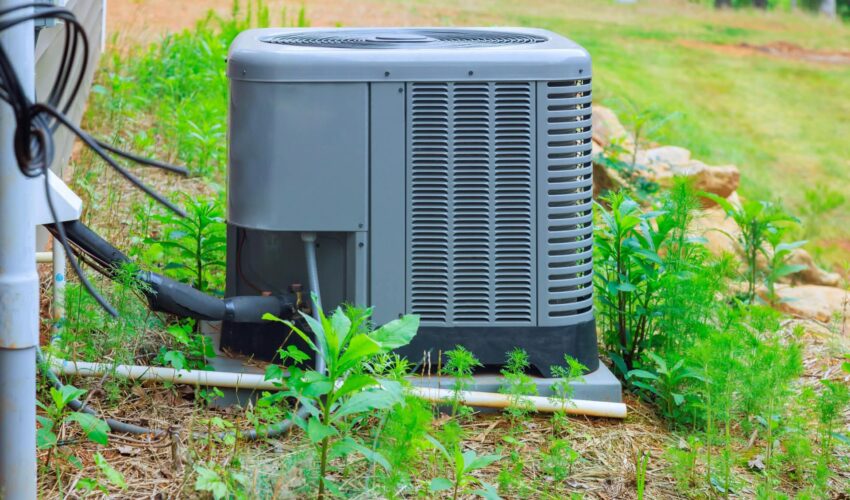
Your compressor lives inside the outdoor unit (technically known as the “condensing unit”). Many homeowners refer to the entire outdoor unit as “the compressor,” but that’s not quite right. The outdoor unit contains several components—condenser coil, fan motor, electrical parts—and the compressor is the most critical (and expensive) one inside it.
The compressor pressurizes and circulates refrigerant through your AC system. This process pulls heat from inside your home and releases it outdoors. Without the compressor, your system can’t generate cool air.
Why Is the Compressor So Expensive?
There are a few key reasons compressor replacements come with serious sticker shock.
First, it’s a heavy-duty component. Compressors are built to handle extreme pressure, temperature changes, and constant operation. They’re large, heavy, and precision-engineered, which means they’re expensive to manufacture and transport.
Installing or replacing a compressor can also be labor-intensive; it’s not a simple “swap and go” repair. Your technician must recover and properly dispose of refrigerant; remove the failed compressor; install the new compressor; recharge the system with the correct type and amount of refrigerant; test pressures, temperatures, and electrical readings. This is time-consuming work that requires specialized tools and training.
Finally, refrigerant handling is highly regulated by strict EPA guidelines. Mistakes can damage the system, harm the environment, or cause the new compressor to fail prematurely. This alone makes compressor replacement a job for professionals, not a DIY project.
Signs Your Compressor May Be Failing
Compressors are sealed units that can’t be opened and repaired. When they fail, replacement is the only option. However, catching problems early can prevent damage to other system components and keep repair costs from escalating. Keep an eye out for warning signs of compressor failure like:
- Warm air blowing from vents even when the AC is running
- Tripped breakers when the system tries to start
- Loud or unusual noises from the outdoor unit
- Hard starts or struggles to turn on
- And higher-than-normal energy bills when you haven’t changed your temperature settings
How to Protect Your Compressor from Premature Failure
One of the leading causes of compressor failure is improper installation. Even the best equipment on the market can fail early if it’s not installed correctly. Issues like improper refrigerant charge, poor airflow, incorrect line sizing, or contaminated refrigerant can shorten your compressor’s lifespan. What’s more, improper installation can void your manufacturer’s warranty, leaving you without coverage when you need it most. That’s why who installs your system matters at least as much as the brand you choose.
Other ways to extend your compressor life include:
- Having the unit regularly maintained by a professional
- Cleaning the filters and coils regularly
- Installing a surge protector to guard against electrical damage
- Keeping the outdoor unit clear of debris and vegetation
These steps help reduce stress on the compressor and keep it running efficiently.
We’re Here to Help
At North East Air Conditioning, Heating & Plumbing, we’ll always walk you through your options honestly so you can make the best decision for your home or business. Whether you’re experiencing issues or simply want to stay ahead of them, schedule an appointment today and protect one of your home’s biggest investments.